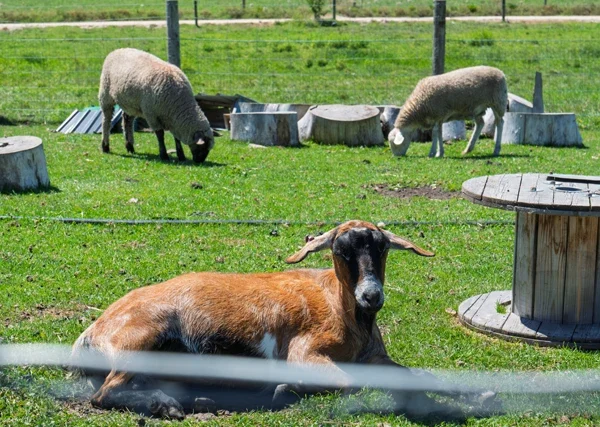
Internal parasites (worms) are one of the most common health problems affecting goats, sheep and alpacas in Australia. In warm, moist climates like South East Queensland, parasite burdens can build up quickly and cause significant illness or production losses if not managed carefully.
Many owners are familiar with worming drenches, but effective parasite control involves much more than simply treating animals on a schedule. Modern parasite management focuses on testing, monitoring and targeted treatment, helping protect both animal health and the effectiveness of available treatments.
Why Worms Are Such a Challenge in Queensland
Our climate provides ideal conditions for many internal parasites. Warm temperatures and regular rainfall allow worm eggs to hatch and develop into infective larvae on pasture.
One of the most important parasites in our region is barber’s pole worm (Haemonchus contortus). These worms attach to the stomach lining and feed on blood, which can lead to anaemia and, in severe cases, death.
Animals with heavy burdens may show signs such as:
- Pale gums or eyelids (anaemia)
- Lethargy or weakness
- Weight loss
- Bottle jaw (swelling under the jaw)
- Poor growth in young animals
Young animals, pregnant or lactating females and animals under nutritional stress are generally more susceptible to the effects of worms.
The Problem with Routine Drenching
For many years, routine drenching was the standard approach to parasite control. However, frequent or repeated use of the same drench can lead to anthelmintic resistance.
Resistance develops when:
- A drench kills susceptible worms.
- Resistant worms survive treatment.
- These resistant worms reproduce and pass on their resistance.
Over time, this can make commonly used drenches far less effective, leaving fewer treatment options available. This is now a major concern in small ruminant production across Australia.
Why Testing Is So Important
Instead of treating animals automatically, veterinarians now recommend monitoring worm burdens through faecal egg count testing (FEC).
A faecal egg count measures the number of worm eggs present in manure. This provides valuable information about:
- The current parasite burden
- Whether treatment is actually required
- Which animals or groups may need treatment
- Whether previous drenches were effective
Regular testing also helps detect emerging drench resistance. Monitoring worm egg counts and performing follow-up tests after treatment can confirm whether the chosen drench is working effectively.
Testing allows treatment to be targeted and strategic, rather than routine.
Integrated Parasite Management
The most effective worm control programs combine several management strategies rather than relying on drenches alone.
According to Australian parasite control programs such as WormBoss, successful worm management generally includes multiple approaches working together.
1. Strategic testing and treatment
Faecal egg counts guide when treatment is needed and which drench should be used.
2. Grazing and pasture management
Worm larvae live close to the ground in pasture. Managing grazing pressure and allowing paddocks time to rest can reduce contamination levels.
Larvae can survive for months under favourable conditions, but hot, dry weather or long spelling periods can significantly reduce pasture contamination.
3. Nutrition and overall health
Animals with good nutrition and body condition are generally more resilient to parasite burdens.
4. Targeted treatment
Rather than treating every animal, treatment may be directed toward individuals or groups showing higher burdens or clinical signs.
5. Monitoring drench effectiveness
Periodic testing after treatment helps ensure the chosen drench is still effective on your property.
Special Considerations for Goats
Goats often require particularly careful parasite management. Compared with sheep and cattle, goats:
- May carry heavier worm burdens
- Can develop clinical disease quickly
- Often require different dosing considerations
Many drenches are not specifically registered for goats in Australia and may need to be prescribed by a veterinarian for appropriate dosing and withholding periods.
Because of this, veterinary guidance is especially important when designing a parasite control program for goats.
A Smarter Approach to Worm Control
The goal of modern parasite management is not to eliminate worms completely. Instead, the aim is to maintain worm burdens at safe levels while slowing the development of resistance.
This means using drenches strategically and combining them with monitoring and management practices.
By working with your veterinarian and using tools such as faecal egg counts, it’s possible to create a sustainable worm control program that protects your animals and preserves the effectiveness of available treatments.
How Maleny Vet Services Can Help
Our veterinarians can assist with:
- Faecal egg count testing
- Drench resistance testing
- Parasite risk assessments
- Tailored worm control programs for your property
- Advice for smallholders and larger herds or flocks
Whether you keep a few backyard goats or manage a larger group of sheep or alpacas, we can help develop a practical, sustainable parasite management plan for your animals.
If you’d like to discuss parasite control or arrange testing, please contact the clinic, we’re always happy to help.
Information in this article is based on current Australian parasite management guidelines, including resources from the WormBoss program and state agriculture departments.