If you’ve seen or heard recent news reports about avian influenza (bird flu) cases in Australia, you might be wondering whether it’s something you need to worry about.
The short answer? There’s no need to panic, but it is worth knowing what to look out for.
Like many animal diseases, being informed is the best way to prepare.
What is avian influenza?
Avian influenza (AI), commonly called bird flu, is a viral disease that primarily affects birds. There are many different strains of the virus. Some cause very mild illness, while others can spread rapidly through poultry populations and cause severe disease.
Recently, Australia has confirmed detections of the H5 strain of highly pathogenic avian influenza in wild seabirds. Importantly, these detections have been in wildlife, not in Queensland poultry farms, and Queensland remains on high alert with surveillance and biosecurity measures in place.
Is there bird flu in Queensland?
Queensland has not confirmed any cases of H5 bird flu. Authorities are investigating a suspected case in a wild seabird on the Sunshine Coast, while continuing enhanced surveillance across the state. At this stage, there have been no detections in Queensland poultry or livestock, and there is no evidence the virus has become established here.
Australia’s detections to date have been confined to a small number of wild seabirds in South Australia, Western Australia and New South Wales, with no evidence of spread into commercial poultry or the wider agricultural industry.
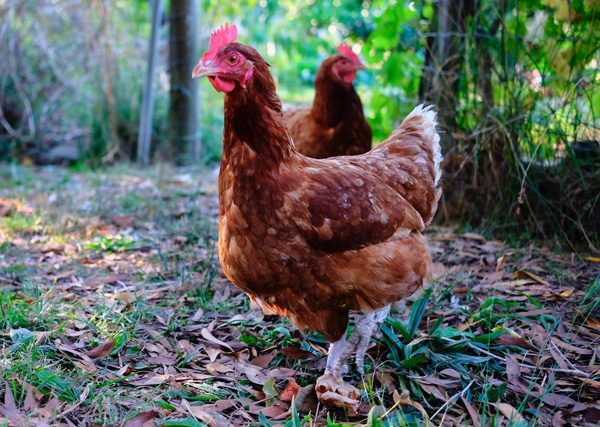
Should I be worried about my backyard chickens?
There’s no reason to panic, but if you keep chickens or other poultry, it’s a good time to review your biosecurity.
Simple things make a big difference:
- Keep feed and water away from wild birds where possible
- Prevent wild birds from accessing your poultry areas
- Wash your hands after handling birds or cleaning coops
- Limit visitors to your poultry enclosure if possible
- Keep an eye on your birds and contact us if they suddenly become unwell
Signs of avian influenza in poultry can include:
- sudden unexplained deaths
- swollen heads or combs
- difficulty breathing
- coughing or sneezing
- diarrhoea
- a sudden drop in egg production
- unusual lethargy or reluctance to eat
Many of these signs can also be caused by other illnesses, so they don’t automatically mean bird flu, but they should always be checked promptly.
What about pet birds?
For pet parrots, budgies, cockatiels and other companion birds, the risk remains low.
The best precautions are straightforward:
- Keep pet birds away from wild birds where possible
- Don’t allow them to share food or water with wild birds
- Wash your hands after handling birds or cleaning cages
- Avoid handling sick or dead wild birds
If your pet bird becomes unwell, please don’t delay seeking veterinary care. Many illnesses in birds can look similar and most sick pet birds will have conditions unrelated to avian influenza.
To help protect all of our patients, we may ask a few extra questions before your appointment, such as:
- How many birds you own
- Whether more than one bird is unwell
- Whether your birds have had contact with wild birds
- What symptoms you’ve noticed
Depending on the situation, we may ask you to take a few simple biosecurity precautions when bringing your bird into the clinic, or in some cases, we may recommend a home visit instead. These measures are simply to minimise any potential risk while ensuring your bird receives the care they need.
If you’re ever unsure, just give us a call on 5494 3622. We’ll talk you through the best next step.
Temporary changes to bringing your bird to the clinic
If your pet bird needs veterinary care, please don’t delay getting in touch with us. The vast majority of sick pet birds have conditions that are not avian influenza, and early treatment is often the key to a good outcome.
However, to help protect all of the animals in our care, we are currently taking a few extra biosecurity precautions for all bird appointments, regardless of the reason for their visit.
When you arrive at the clinic with your bird, please:
- Bring your bird in a secure carrier or cage.
- Please do not enter the building. Instead, take a seat in the outdoor seating area to the right of the stairs.
- Call us on 5494 3622 to let us know you’ve arrived – if you don’t have a mobile phone, please leave your bird (in its carrier) in the outdoor waiting while you enter to talk to the reception team.
One of our veterinarians or nurses will perform an initial assessment outside and discuss your bird’s symptoms with you. Depending on your bird’s condition, we may then bring them into the clinic, or in some situations we may recommend a home visit instead.
These simple steps help us maintain strong biosecurity practices and minimise any potential risk to other birds and animals in our care, while ensuring your feathered friend receives the veterinary attention they need.
What if I find a sick or dead wild bird?
The most important thing is:
- Don’t touch it
If you notice sick or dead wild birds, particularly if there is more than one, report it to the Emergency Animal Disease Hotline on 1800 675 888. The Queensland Government can advise whether the bird needs to be tested or collected.
If you have accidentally handled a sick bird, wash your hands thoroughly with soap and water.
Can people catch bird flu?
This is probably the question we’ve been asked the most. The good news is that the risk to the general public remains very low.
While avian influenza can occasionally infect people, this is rare and almost always occurs after close, prolonged contact with infected birds or contaminated environments, such as commercial poultry farms experiencing an outbreak. The virus does not spread easily from birds to people, and person-to-person spread is extremely uncommon.
You cannot catch bird flu from eating properly cooked chicken or eggs, and there is currently no evidence that everyday contact with healthy pet birds poses a risk.
As always, good hygiene goes a long way. Wash your hands after handling birds, avoid touching sick or dead wild birds, and seek medical advice if you’ve had close contact with a bird confirmed to have avian influenza and you develop flu-like symptoms.
Can other animals get bird flu?
Although bird flu is primarily a disease of birds, some mammals can become infected. Overseas, the H5 strain has been detected in a range of species including marine mammals, dairy cattle, goats, alpacas and domestic cats. These infections are generally linked to animals having close contact with infected birds or eating infected bird carcasses.
For pet owners in Queensland, the risk to dogs and cats remains very low. As a sensible precaution:
- Keep dogs away from sick or dead birds
- If possible, keep cats from hunting wild birds
- Don’t allow pets to eat dead wildlife
- Contact us if your pet has had contact with sick birds and then becomes unwell
If you own livestock, particularly poultry, maintaining good biosecurity and preventing contact between domestic birds and wild birds remains the most effective way to reduce the risk of disease. Queensland’s livestock industries are closely monitored, and any suspected cases are investigated rapidly.
Our advice
At Maleny Vet Services, we’ll continue to keep a close eye on the latest advice from the Queensland Government and Australian animal health authorities.
For most pet owners, there’s nothing you need to change in your daily routine – just stay aware, avoid handling sick or dead wild birds and keep good hygiene around backyard poultry.
As always, if you’re concerned about your own birds or have questions, we’re here to help.
Useful contacts
- Emergency Animal Disease Hotline: 1800 675 888
- For the latest official information, please visit the Queensland Government’s Avian Influenza page and the Australian Government’s national bird flu updates