Tick Paralysis is condition caused by a species of tick found on the eastern seaboard of Australia called Ixodes holocyclus. These ticks are very prolific in Maleny and surrounds, making tick prevention ESSENTIAL to prevent serious illness and death.
Ixodes holocyclus is known as a ‘3 host tick’ because the tick goes through three development phases – each requiring a blood-meal from a warm-blooded host. Typically, larvae hatch form eggs in late February to April or May, followed by nymphs from March to September or October and then gradually the adult population from August to February, peaking around December. In Maleny and surrounds, we tend to see a surge in the ticks in August and September, when the temperature and humidity starts to rise. Under favourable conditions, a second life cycle may result in a second peak in May. However, infestation by adults can occur at any time of the year when conditions are suitable, even in mid-winter.
Tick envenomation in animals (especially pets) peaks in spring to mid-summer. Disease usually occurs after the attachment of a single adult female tick, but heavy infestations with nymphs or larvae can produce paralysis.
Signs of Envenomation
The clinical signs of disease are usually seen around three days after attachment. Early signs of tick paralysis include:
- Incoordination (“looks drunk”) and reluctance to do normal exercise
- change in bark or meow, grunting or a complete loss of voice
- inappetence, vomiting or regurgitation
- dilated pupils.
This can progress to falling over, unable to stand or sit, inability to swallow and exaggerated breathing. This can rapidly progress to complete paralysis, including an ability to breath and death.
Prevention
Over recent years, there have been significant advancements in prevention options for both dogs and cats. Options include topical “spot-ons”, monthly or three-monthly chews or tablets and collars (although collars are generally less reliable). There are also “combination products” that treat worms, heartworm, fleas and ticks. Please feel free to contact our knowledgeable staff to discuss which option best suits your needs.
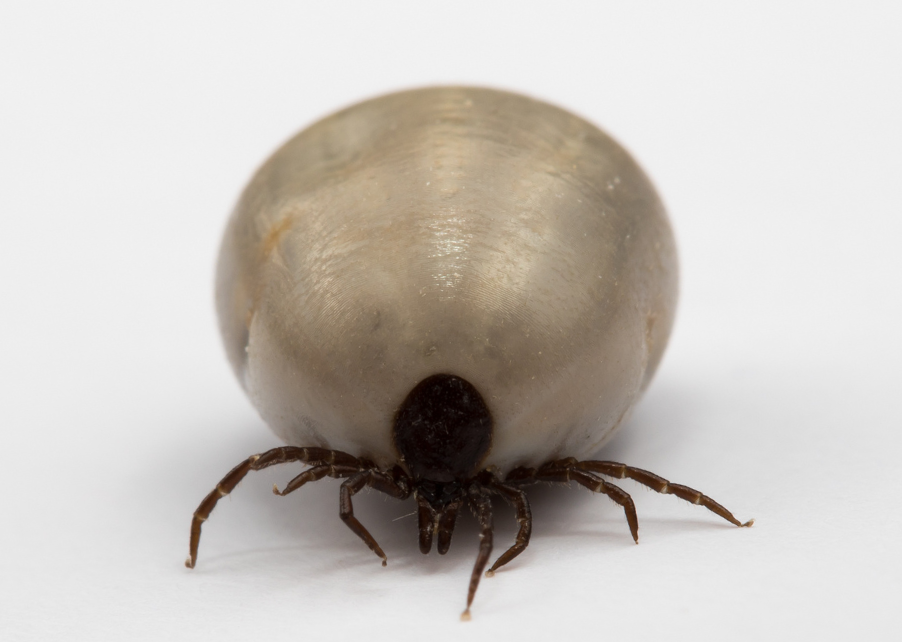
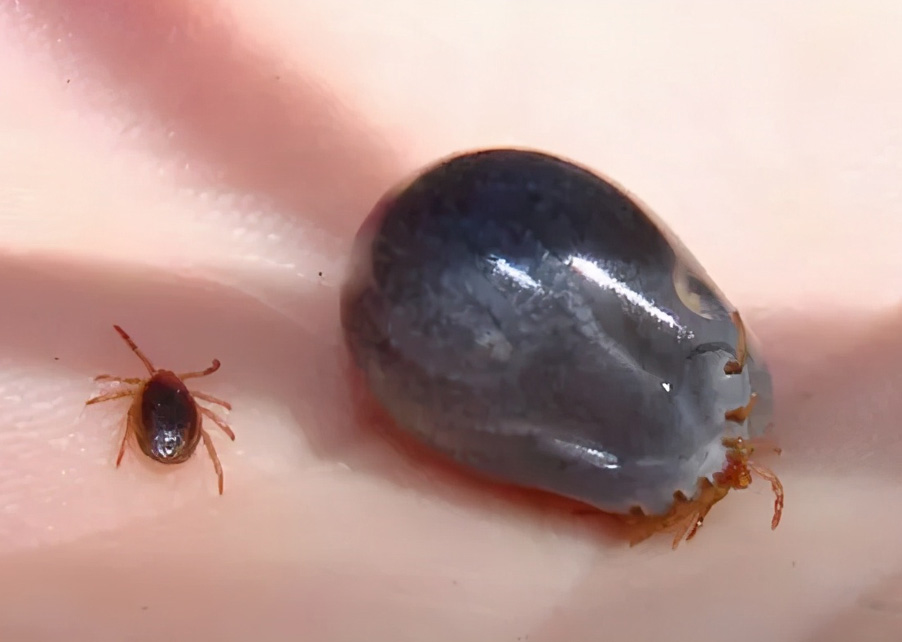
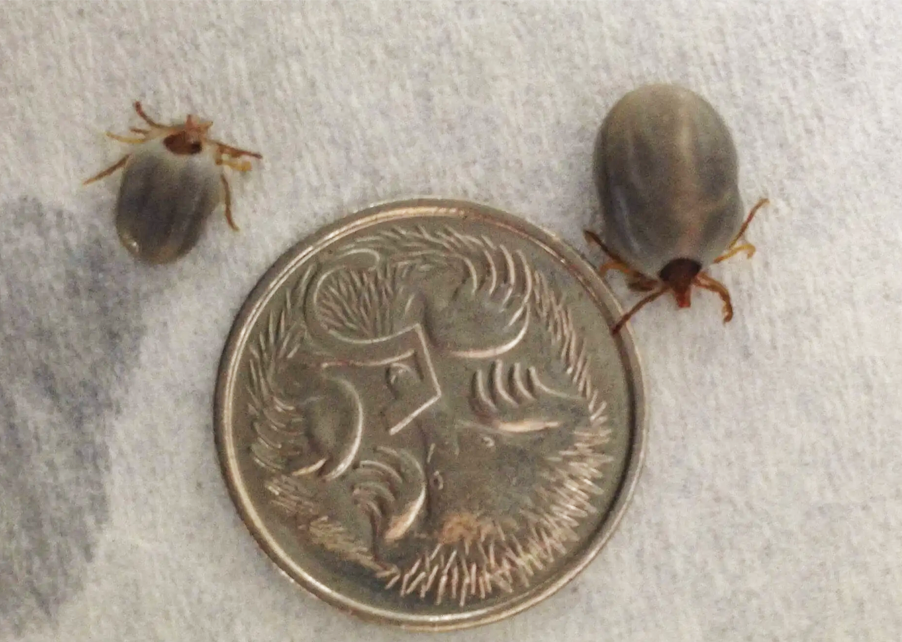
Whilst these new products have made great inroads into preventing tick paralysis in our pets, no product is EVER 100% effective. It’s a very good idea to make a habit of checking your pet DAILY Feeling your way through their coat is often more effective that looking. Ticks do not “bury” under the skin but can be surrounded by a lumpy “crater” as the body tries to resist the toxin that’s being injected as the tick sucks. Be familiar with what ticks looks like – they start as pin-point brown nymphs, to flattened brown “shell-back” adults, then become grey-blue as they engorge on their blood meal.
PREVENTION SHOULD CONTINUE THROUGHOUT THE YEAR. Giving your pet “time off” from the preventatives exposes them to the effects of the tick toxin and therefore, the drugs needed to save their lives. The money “saved” during the non-prevention period will pale in comparison to the cost of treatment and the stress to you and your pet.
What to do if you find a tick on your pet
- Be calm and try to keep your pet calm.
- Remove the tick as soon as possible with “tick twisters” or with your fingernails. Try and avoid “squeezing” the tick in the process. The application of vaseline or methylated spirits serves no purpose.
- Call the vet as soon as possible for further advice. If it is outside normal clinic hours, DO NOT WAIT! Delaying advice and potential treatment may decrease the chance of your pet surviving and often increases the level of treatment required.
- DON’T offer food or water or try to syringe feed. Animals often lose the ability to swallow quite early in the progression of the condition. Food and water can be aspirated into their lungs leading to pneumonia.
Treatment
Antivenom
Treatment is centred around the administration of an antivenom. This is a commercially prepared product (like that for antivenoms for snakes, for example). Allergic reactions to the antivenom are very uncommon but can increase in frequency with multiple uses. Previous treatment IS NOT a reason to not treat your pet again.
Medications
Additional medications such as intravenous fluids, antibiotics (for pneumonia), airway dilators, anti-vomiting medications, diuretics, sedatives and pain relievers are often required. Some pets require supplementary oxygen by nasal tubes, some require full assisted ventilation.
Nursing Care
Experienced nursing care is essential. Frequent clinical exams detect changes in condition early. Many pets require assistance with toileting (they are unable to stand or walk, and their bladders often lose the ability to empty themselves).
Treatment does NOT guarantee the survival of your pet, but it dose give them a significantly better chance. The course and speed of recovery from Tick Paralysis is unpredictable.
The cost of treatment could be considered “expensive”. Complicated cases can run into thousands of dollars. It’s a good idea to ensure that Tick Paralysis treatment is covered in any pet insurance policy that you have.
The Paralysis Tick will remain a permanent member of our Maleny community. Even with many pets “protected”, the ticks’ life cycle will be supported by resident wildlife and other domestic animals. The appropriate use of preventative products significantly reduces the chances of your pet succumbing to a potentially fatal envenomation.
Prevention
Over recent years, there have been significant advancements in prevention options for both dogs and cats. Options include topical “spot-ons”, monthly or three-monthly chews or tablets and collars (although collars are generally less reliable). There are also “combination products” that treat worms, heartworm, fleas and ticks. Please feel free to contact our knowledgeable staff to discuss which option best suits your needs.
Whilst these new products have made great inroads into preventing tick paralysis in our pets, no product is EVER 100% effective. It’s a very good idea to make a habit of checking your pet DAILY Feeling your way through their coat is often more effective that looking. Ticks do not “bury” under the skin but can be surrounded by a lumpy “crater” as the body tries to resist the toxin that’s being injected as the tick sucks. Be familiar with what ticks looks like – they start as pin-point brown nymphs, to flattened brown “shell-back” adults, then become grey-blue as they engorge on their blood meal.
PREVENTION SHOULD CONTINUE THROUGHOUT THE YEAR. Giving your pet “time off” from the preventatives exposes them to the effects of the tick toxin and therefore, the drugs needed to save their lives. The money “saved” during the non-prevention period will pale in comparison to the cost of treatment and the stress to you and your pet.
Tick Paralysis is condition caused by a species of tick found on the eastern seaboard of Australia called Ixodes holocyclus. These ticks are very prolific in Maleny and surrounds, making tick prevention ESSENTIAL to prevent serious illness and death.
Ixodes holocyclus is known as a ‘3 host tick’ because the tick goes through three development phases – each requiring a blood-meal from a warm-blooded host. Typically, larvae hatch form eggs in late February to April or May, followed by nymphs from March to September or October and then gradually the adult population from August to February, peaking around December. In Maleny and surrounds, we tend to see a surge in the ticks in August and September, when the temperature and humidity starts to rise. Under favourable conditions, a second life cycle may result in a second peak in May. However, infestation by adults can occur at any time of the year when conditions are suitable, even in mid-winter.
Tick envenomation in animals (especially pets) peaks in spring to mid-summer. Disease usually occurs after the attachment of a single adult female tick, but heavy infestations with nymphs or larvae can produce paralysis.
Signs of Envenomation
The clinical signs of disease are usually seen around three days after attachment. Early signs of tick paralysis include:
- Incoordination (“looks drunk”) and reluctance to do normal exercise
- change in bark or meow, grunting or a complete loss of voice
- inappetence, vomiting or regurgitation
- dilated pupils.
This can progress to falling over, unable to stand or sit, inability to swallow and exaggerated breathing. This can rapidly progress to complete paralysis, including an ability to breath and death.
Prevention
Over recent years, there have been significant advancements in prevention options for both dogs and cats. Options include topical “spot-ons”, monthly or three-monthly chews or tablets and collars (although collars are generally less reliable). There are also “combination products” that treat worms, heartworm, fleas and ticks. Please feel free to contact our knowledgeable staff to discuss which option best suits your needs.
Whilst these new products have made great inroads into preventing tick paralysis in our pets, no product is EVER 100% effective. It’s a very good idea to make a habit of checking your pet DAILY Feeling your way through their coat is often more effective that looking. Ticks do not “bury” under the skin but can be surrounded by a lumpy “crater” as the body tries to resist the toxin that’s being injected as the tick sucks. Be familiar with what ticks looks like – they start as pin-point brown nymphs, to flattened brown “shell-back” adults, then become grey-blue as they engorge on their blood meal.
PREVENTION SHOULD CONTINUE THROUGHOUT THE YEAR. Giving your pet “time off” from the preventatives exposes them to the effects of the tick toxin and therefore, the drugs needed to save their lives. The money “saved” during the non-prevention period will pale in comparison to the cost of treatment and the stress to you and your pet.
What to do if you find a tick on your pet
- Be calm and try to keep your pet calm.
- Remove the tick as soon as possible with “tick twisters” or with your fingernails. Try and avoid “squeezing” the tick in the process. The application of vaseline or methylated spirits serves no purpose.
- Call the vet as soon as possible for further advice. If it is outside normal clinic hours, DO NOT WAIT! Delaying advice and potential treatment may decrease the chance of your pet surviving and often increases the level of treatment required.
- DON’T offer food or water or try to syringe feed. Animals often lose the ability to swallow quite early in the progression of the condition. Food and water can be aspirated into their lungs leading to pneumonia.
Treatment
Antivenom
Treatment is centred around the administration of an antivenom. This is a commercially prepared product (like that for antivenoms for snakes, for example). Allergic reactions to the antivenom are very uncommon but can increase in frequency with multiple uses. Previous treatment IS NOT a reason to not treat your pet again.
Medications
Additional medications such as intravenous fluids, antibiotics (for pneumonia), airway dilators, anti-vomiting medications, diuretics, sedatives and pain relievers are often required. Some pets require supplementary oxygen by nasal tubes, some require full assisted ventilation.
Nursing Care
Experienced nursing care is essential. Frequent clinical exams detect changes in condition early. Many pets require assistance with toileting (they are unable to stand or walk, and their bladders often lose the ability to empty themselves).
Treatment does NOT guarantee the survival of your pet, but it dose give them a significantly better chance. The course and speed of recovery from Tick Paralysis is unpredictable.
The cost of treatment could be considered “expensive”. Complicated cases can run into thousands of dollars. It’s a good idea to ensure that Tick Paralysis treatment is covered in any pet insurance policy that you have.
The Paralysis Tick will remain a permanent member of our Maleny community. Even with many pets “protected”, the ticks’ life cycle will be supported by resident wildlife and other domestic animals. The appropriate use of preventative products significantly reduces the chances of your pet succumbing to a potentially fatal envenomation.